Life After Diagnosis: Coping with Cervical Cancer as a Young Woman
When you're in your 20s or 30s, life is supposed to be full of dreams, plans, and exploration. But what if you're told you have cervical cancer? That single sentence can feel like a wrecking ball slamming into your world.
If you've recently been diagnosed—or you're supporting someone who has—you’re not alone. This article is a guide, a friend, and a roadmap to help navigate this life-changing journey. We’ll talk about how to cope emotionally, manage treatment, find support, and rebuild your life with strength and hope.
Let’s walk through this together.
Understanding Cervical Cancer
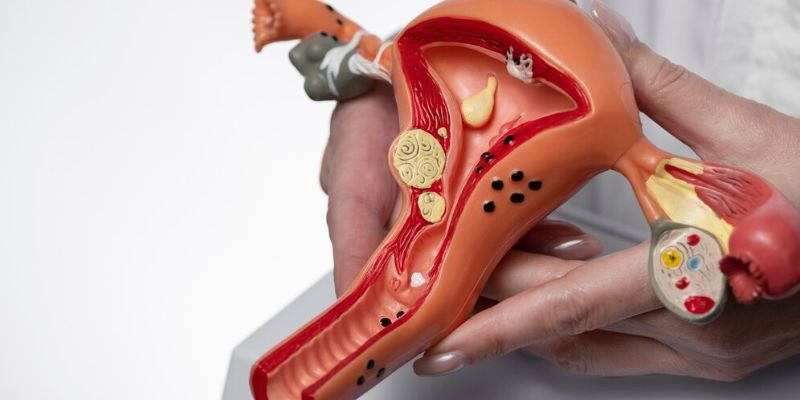
Cervical cancer starts in the cells lining the cervix—the lower part of the uterus that connects to the vagina. It often develops slowly and can be detected early with regular screenings like Pap smears.
Most cases are caused by the human papillomavirus (HPV), a common sexually transmitted infection. The good news? It's one of the most preventable and treatable cancers—if caught early.
Why It Affects Young Women
Many people assume cancer is an older person’s disease. But cervical cancer doesn't discriminate—it can strike women as young as their teens or twenties, especially those with untreated HPV infections.
With changing lifestyles, lack of awareness, and missed screenings, young women can be at risk. That's why knowing the signs and prioritizing regular checkups is crucial.
The Emotional Impact of a Diagnosis
Hearing “You have cancer” can feel like being dropped into a dark tunnel. Fear, confusion, sadness, anger—all these emotions are normal.
You might wonder: Why me? What will happen to my life, my dreams, my body?
Think of it like being thrown into a storm. It’s overwhelming, but with the right support, you can find your anchor and guide your ship through the waves.
First Steps After Diagnosis
Once the diagnosis is confirmed, the first steps are crucial:
Get informed: Learn about your stage, type, and treatment options.
Seek second opinions: Especially when choosing a hospital or specialist.
Build a care team: Choose trusted doctors like those at Action Cancer Hospital, who specialize in treating cervical cancer with compassion and expertise.
Remember, you don’t need all the answers today. Take it one decision at a time.
Talking to Family and Friends
One of the hardest parts is telling your loved ones.
Start with someone close—a parent, partner, or best friend.
Be honest, but also clear about what you need (space, support, or just a listening ear).
Accept help. You don’t have to carry this alone.
Your tribe becomes your fuel. Even if they’re not sure what to say, their presence matters.
Exploring Treatment Options
Treatment depends on the stage of the cancer, your age, and your fertility goals. Common options include:
Surgery (like hysterectomy)
Radiation therapy
Chemotherapy
Targeted therapy or clinical trials
Action Cancer Hospital offers a personalized approach—tailoring treatments to your life, not just your diagnosis.
How Action Cancer Hospital Supports Young Women
Located in Delhi, Action Cancer Hospital is a trusted name in cancer care. They offer:
Expert gynecologic oncologists
Fertility-preserving treatments
Psychological counseling
Patient navigators to guide you
Their team focuses not just on curing cancer but on healing the whole person—body and mind.
Dealing With Physical Changes
Treatment can bring unwanted changes—hair loss, weight shifts, fatigue, or changes in sexual health. It’s okay to feel frustrated or grieve those losses.
But don’t forget: you are not your illness. You are still strong, still beautiful, and still worthy of love.
Tips:
Use wigs or scarves creatively.
Practice gentle yoga or stretching.
Eat well, rest often.
You’re rebuilding your body, not losing it.
Fertility Concerns and Reproductive Choices
One of the most emotional aspects for young women is the fear of losing the ability to have children.
Before treatment, ask your doctor about:
Egg freezing
Fertility-sparing surgery
Surrogacy options
Adoption support
Action Cancer Hospital provides counseling and referrals to fertility experts. There’s hope—and options—available.
Managing Finances During Treatment
Cancer care can be expensive, but there are ways to ease the burden:
Check your insurance thoroughly.
Explore government schemes and NGOs.
Ask your hospital about financial counselors.
Don’t be afraid to talk about money. There’s no shame in asking for help.
Creating a Support System
No one should walk this road alone. Build a circle of:
Friends and family
Support groups (online or local)
Counselors or therapists
Even a WhatsApp group with friends checking in can make a world of difference.
Returning to Normal Life
After treatment, the world may feel different. You may carry scars—emotional and physical—but you’re still YOU.
Ease back into work, school, or social life at your pace. There’s no “right” way to heal. Take time to rediscover joy, confidence, and connection.
Mental Health and Therapy
Your mental well-being is as important as your physical health.
Talk to a therapist who understands cancer journeys.
Try journaling, meditation, or art therapy.
Acknowledge your feelings—don’t bottle them up.
It’s okay to have bad days. Healing isn’t linear, but every step forward counts.
Thriving Beyond the Diagnosis
Cervical cancer may be a chapter in your story—but it doesn’t define the whole book.
Many women go on to become advocates, mentors, artists, travelers, and mothers. You can rediscover purpose, beauty, and strength in new ways.
Like a lotus blooming from the mud—you’ll rise, stronger than before.
Final Words of Encouragement
If you’re reading this while facing a diagnosis, hold on. There is life after cervical cancer—real, joyful, meaningful life.
Lean on your people. Trust your doctors. Believe in your resilience.


Comments